
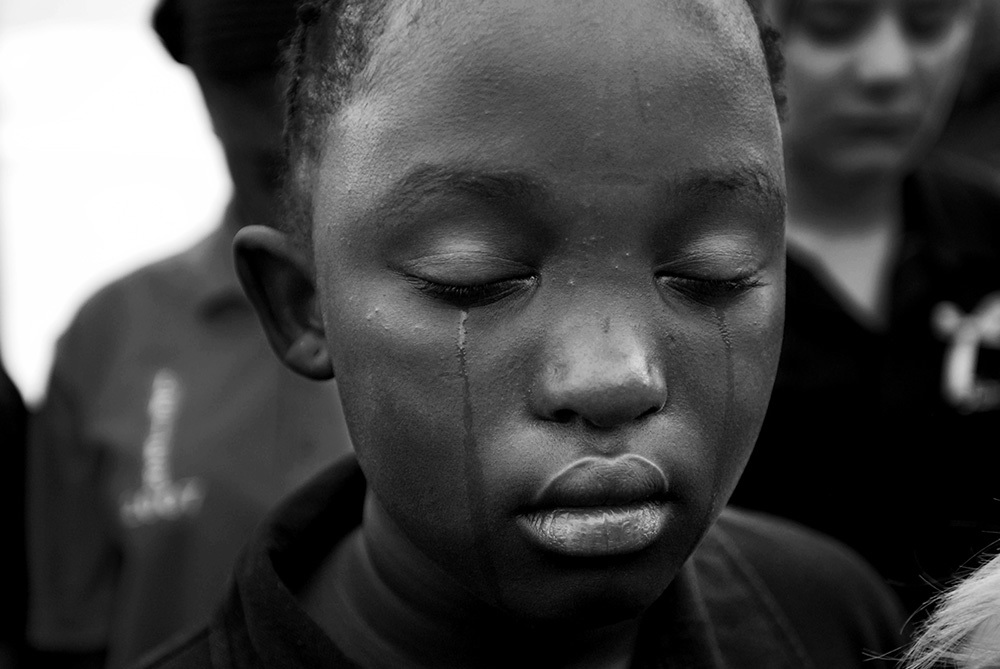
What is Child Sexual Abuse?
Sexual abuse is any sexual contact between a child and an adult,with or without the child’s consent or using a child for sexual purposes.
Forms of Child Sexual Abuse
Sexual exploitation is another form of child sexual abuse. It happens when a child is talked into or forced into sex acts in exchange for things like money, drugs, food or shelter.
Assault by penetration, such as rape or oral sex
Non-penetrative sexual activities such as touching, rubbing, kissing and masturbating.
Watching others performing sexual act or getting a child to watch such act
Looking at, showing or sharing sexual images, videos, toys or other materials.
Telling dirty jokes or stories.
Forcing or inviting a child to undress for sexual gratification.
Flashing ; Showing ones genitals to a child.
Encouraging a child to behave that is sexually inappropriate.
Bathing with children that is, a mother bathing with a son.
Who are likely to be abused?
Any child can be a victim of child sexual abuse but children living with mental illness, learning disability or physical disability are more than twice as likely to report childhood sexual abuse as their peers.
Most of these crimes are committed by someone the victim knows. In our survey, about 90% of children that are sexually abused know their perpetrators. Out of this figure, about 60% of the perpetrators are family members, about 20% are family friends and about 10% are strangers.
Physical signs of child sexual abuse
The specific signs are often related to the age of the child with younger children being less able to process and express sexual abuse.
Particularly in children age 12 and younger, the following are signs of child sexual abuse:2
Vague complaints of stomach pain or headaches
Sleep problems
Eating disorders such as anorexia
Bowel disorders, such as soiling oneself (encopresis)
Genital or rectal symptoms, such as pain during a bowel movement or urination, or vaginal itch or discharge
Lack of self-esteem/self-
Advanced sexual knowledge – the child may possess knowledge beyond his level of development, specifically detailed sexual information.
Being depressed, withdrawn or excessively fearful
Drop in school performance
Sexualized behavior – such as dressing seductively or acting sexually through dolls, around peers or adults. The child may also masturbate excessively.
Distress around a particular person – the child may not want to spend time with a particular adult
Seeking excessive time with an adult – he may also be given extra attention, gifts, privileges, etc.
Aggressiveness
High-risk behaviors or drug use
Delinquency/conduct problems
Secretiveness
Extreme fear or anxiety
Substance use / abuse
Suicidal behavior
Parents can prevent or lessen the chance of sexual abuse by:
Telling children that if someone tries to touch your body and do things that make you feel funny, say NO to that person and tell me right away
Teaching children that respect does not mean blind obedience to adults and to authority, for example, don’t tell children to, always do everything the teacher or baby-sitter tells you to do
Encouraging professional prevention programs in the local school system