
TRUST BETRAYED: ADDRESSING ABUSE BY PROTECTORS AND CARE GIVERS.
BEHIND CLOSED DOORS; Uncovering abuse in our institutions and communities. WHEN ABUSE HAPPENS AT THE HANDS OF THOSE MEANT TO PROTECT; TRUST IS BETRAYED. Many children enter schools with trust and hope, believing their teachers and protectors are there to guide and keep them safe. Unfortunately, when abuse happens at the hands of those meant to protect, that trust is shattered. This betrayal not only causes deep emotional and psychological scars but also affects a child’s ability to learn and grow in a safe environment. It is crucial to bring these issues to light, create strong policies, and provide support systems for survivors. By addressing abuse by educators openly, we can work towards rebuilding trust, ensuring accountability, and protecting future generations from harm. Schools must become safe havens, where respect and care are the foundation of every relationship. PROTECTING OUR CHILDREN; Teachers hold a special place in society as trusted protectors and guides for children. However, when that trust is broken through abuse or misconduct, it causes deep harm that can affect a child’s emotional, mental, and physical well-being. Protecting our children means creating safe environments where they can learn and grow without fear. AMA cares is looking out to bring the issue of harassment and abuse to light.This involves strict policies, consistent awareness programs, and swift action against any form of abuse by educators or protectors. It’s essential for communities, schools, and authorities to work together to prevent misconduct, support survivors, and ensure accountability. By standing united, we can fight teacher misconduct and safeguard the future of our future leaders. In our world today, many older and respected people hold power and influence. They are trusted by everyone, so when some of them hurt the children, the community stays silent. People are afraid to speak out, worried about losing respect or causing trouble. The victims suffer in silence, feeling alone and scared. But one day, a brave young girl decided to tell her story. Slowly, others found courage, and the community begins to realize that protecting the abusers only causes more pain. Together, they start to speak up, demanding justice and change to keep their children safe.Ama cares broke the silence and healing finally began. AFTER ABUSE Acknowledging the sensitivity around the topic of abuse is the first step towards creating change. Communities need to shift from silence to support, offering a welcoming space for survivors to share their experiences without judgment. It’s crucial for parents to believe their children, providing a safe environment for them to speak out and seek help.After these abuses, the community needs to take strong action to support the victims and prevent future harm. This means creating safe spaces where children can speak freely without fear, providing counseling and medical help to those affected, and making sure the abusers face justice through the law. It’s also important for the community to educate everyone about abuse, so people recognize the signs and know how to protect children. Healing takes time, but with honesty, support, and commitment, the community can rebuild trust and keep its children safe. Creating platforms for open dialogue can help to destigmatize the issue. This involves organizing workshops, support groups, and awareness campaigns that educate the community on the different forms of abuse and their impact. Encouraging survivors to share their stories can also inspire others to come forward and seek help. The ultimate decision is for the community to fully commit to protecting its children by breaking the silence forever. This means agreeing that no one, no matter how respected, is above the law. The community must prioritize justice, support survivors, and enforce strict measures to prevent abuse. Only by standing together with courage and transparency can they create a safe and trusting environment for all children to grow and thrive. JOIN OUR CAUSE Let’s make our community free from abusers. Let’s call out anyone no matter the position or authority they hold. Protecting the abusers always causes much pain and hasn’t actually solved this problem.
Starting Your Healing Journey
STARTING YOUR HEALING JOURNEY A beacon of hope; healing from abuse and preventing suicide. YOU ARE NOT ALONE; HEALING FROM SEXUAL AND CHILD ABUSE. The journey to healing can be dark and isolating, but it doesn’t have to be. If you’re grappling with the aftermath of abuse, please know that you’re not alone, and there are paths toward recovery and a future filled with hope. SHATTERING THE SILENCE;Abuse,Suicide and A PATH TO HEALING. Survivors of sexual and child abuse are at a significantly higher risk of suicidal ideation and attempts. The trauma inflicted by abuse can lead to profound feelings of worthlessness, shame, and despair. These feelings can create a sense of hopelessness that makes suicide seem like the only escape. But it’s important to understand that these feelings, however overwhelming, are temporary and treatable.AMA CARES not only provides a safe space for survivors of abuse but go further to help them heal from the trauma that might lead them to any suicidal thoughts.On 29th May 2025 it was indicated in our report on “child sexual abuse: what it is and how it can be identified” Any child can be a victim of abuse but children living with mental illness, learning disabilities or physical disabilities are more than twice as likely to report cases of sexual abuse as their peers. Be quiet but observant for the abused ones are often scared and silent. Let’s identify them and together help them through their trauma to avoid suicide.A study in Greater Accra, Ghana (in school-going adolescents) found that among those who had experienced sexual violence in the past 12 months, a large fraction reported self-harm ideation; many of those acts involved wanting to die. WHAT NEXT; AFTER ABUSE Acknowledging the sensitivity around the topic of abuse is the first step towards creating change. Communities need to shift from silence to support, offering a welcoming space for survivors to share their experiences without judgment. It’s crucial for parents to believe their children, providing a safe environment for them to speak out and seek help. By breaking the silence and fostering understanding, we can begin to heal and prevent further harm. Creating platforms for open dialogue can help to destigmatize the issue. This involves organizing workshops, support groups, and awareness campaigns that educate the community on the different forms of abuse and their impact. Encouraging survivors to share their stories can also inspire others to come forward and seek help. Ultimately, addressing abuse requires a collective effort. By fostering a culture of empathy, understanding, and support, communities can empower survivors to heal and rebuild their lives. JOIN OUR CAUSE Our goal is to shine a light on the darkness, offering a beacon of hope and empowering you to take steps toward a brighter, safer future. Together, we can break the silence, foster understanding, and prevent suicide among survivors of child sexual or physical abuse.
CHILD SEXUAL ABUSE – WHAT IT IS AND HOW IT CAN BE IDENTIFIED
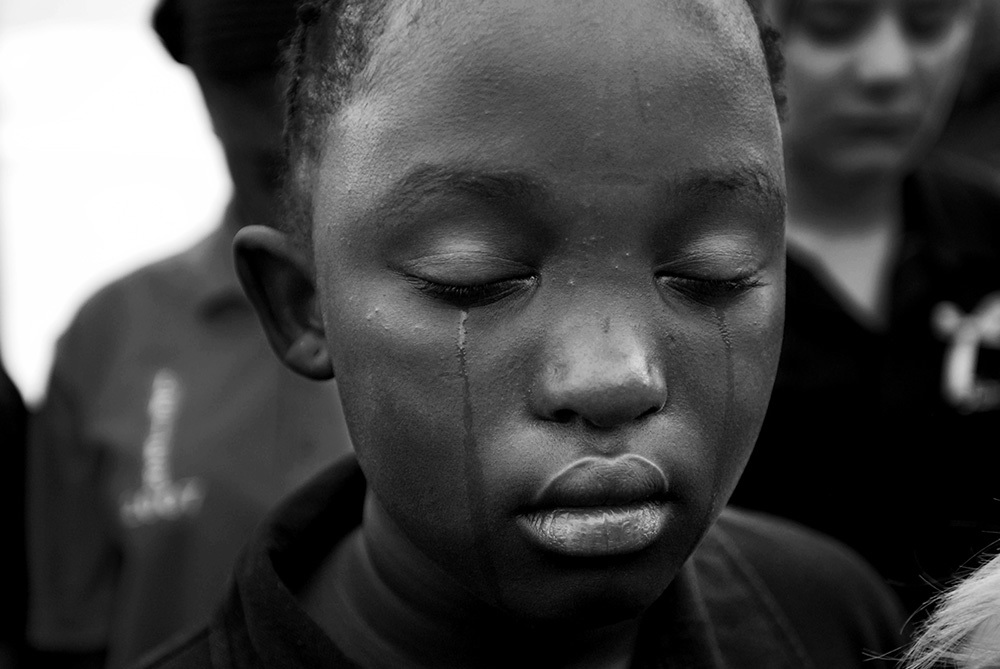
What is Child Sexual Abuse? Sexual abuse is any sexual contact between a child and an adult,with or without the child’s consent or using a child for sexual purposes. Forms of Child Sexual Abuse Sexual exploitation is another form of child sexual abuse. It happens when a child is talked into or forced into sex acts in exchange for things like money, drugs, food or shelter. Assault by penetration, such as rape or oral sex Non-penetrative sexual activities such as touching, rubbing, kissing and masturbating. Watching others performing sexual act or getting a child to watch such act Looking at, showing or sharing sexual images, videos, toys or other materials. Telling dirty jokes or stories. Forcing or inviting a child to undress for sexual gratification. Flashing ; Showing ones genitals to a child. Encouraging a child to behave that is sexually inappropriate. Bathing with children that is, a mother bathing with a son. Who are likely to be abused? Any child can be a victim of child sexual abuse but children living with mental illness, learning disability or physical disability are more than twice as likely to report childhood sexual abuse as their peers. Most of these crimes are committed by someone the victim knows. In our survey, about 90% of children that are sexually abused know their perpetrators. Out of this figure, about 60% of the perpetrators are family members, about 20% are family friends and about 10% are strangers. Physical signs of child sexual abuse The specific signs are often related to the age of the child with younger children being less able to process and express sexual abuse. Particularly in children age 12 and younger, the following are signs of child sexual abuse:2 Vague complaints of stomach pain or headaches Sleep problems Eating disorders such as anorexia Bowel disorders, such as soiling oneself (encopresis) Genital or rectal symptoms, such as pain during a bowel movement or urination, or vaginal itch or discharge Lack of self-esteem/self-destructiveness – the child may make statements that they are worthless, harm themselves or even exhibit suicidal ideation Advanced sexual knowledge – the child may possess knowledge beyond his level of development, specifically detailed sexual information. Being depressed, withdrawn or excessively fearful Drop in school performance Sexualized behavior – such as dressing seductively or acting sexually through dolls, around peers or adults. The child may also masturbate excessively. Distress around a particular person – the child may not want to spend time with a particular adult Seeking excessive time with an adult – he may also be given extra attention, gifts, privileges, etc. Aggressiveness High-risk behaviors or drug use Delinquency/conduct problems Secretiveness Extreme fear or anxiety Substance use / abuse Suicidal behavior Parents can prevent or lessen the chance of sexual abuse by: Telling children that if someone tries to touch your body and do things that make you feel funny, say NO to that person and tell me right away Teaching children that respect does not mean blind obedience to adults and to authority, for example, don’t tell children to, always do everything the teacher or baby-sitter tells you to do Encouraging professional prevention programs in the local school system
Recognizing Signs of Sexual Abuse: Voices from Our Community

Recognizing Signs of Sexual Abuse: Voices from Our Community At AmaCares, we believe that every child deserves a safe and nurturing environment, a place where they can learn, grow, and dream big. Our recent webinar on “Recognizing Signs of Sexual Abuse” featuring expert guest Mrs. Sherida Pinas, a certified therapist and founder of Sherapy, shone a spotlight on the power of education and community. Today, we’re excited to share inspiring stories from two of our dedicated Training & Mentorship Program Cohort 1 members: Abugri Amina Salifu and May Ghansah, whose passion is transforming lives. A Journey of Courage and Impact Abugri Amina Salifu, a dedicated medical student at the University of Cape Coast, embodies hope within her community. While navigating the challenges of a rigorous academic schedule, she passionately champions health advocacy as the vice president of Grace Medical Foundation and as a volunteer with Comfort Ghana. Her unwavering commitment to advancing reproductive health and protecting children is evident in every initiative she leads. “Community give-back is something I’m passionate about. During my internships, I observed numerous cases of child abuse. This program offered an opportunity to deepen my understanding and contribute meaningfully.” – Amina Equally inspiring is May Ghansah, a dynamic entrepreneur with a background in psychology. May channels her personal experiences into action, raising awareness about child abuse in her community. With a strong voice on the importance of attentive parenting, she has already implemented the “PANTS” rule at home, ensuring her children learn early about body safety and boundaries. “The webinar highlighted subtle signs of abuse that are often overlooked, emphasizing the importance of attentive parenting.” – May Introducing: Save Your Lunch for a Child’s Future In our workshops, we uncovered a harsh truth: many young girls fall victim to exploitation simply because they cannot afford basic menstrual hygiene products. In some cases, a lack of sanitary pads creates a dangerous vulnerability exploited by bad actors. We believe that with a little help, this cycle can be broken. With your support, our Save Your Lunch for a Child’s Future initiative will ensure that every girl has access to essential sanitary products, helping them stay in school and remain safe from exploitation.
The Psychology of Abuse and the Power of Youth-Led Change
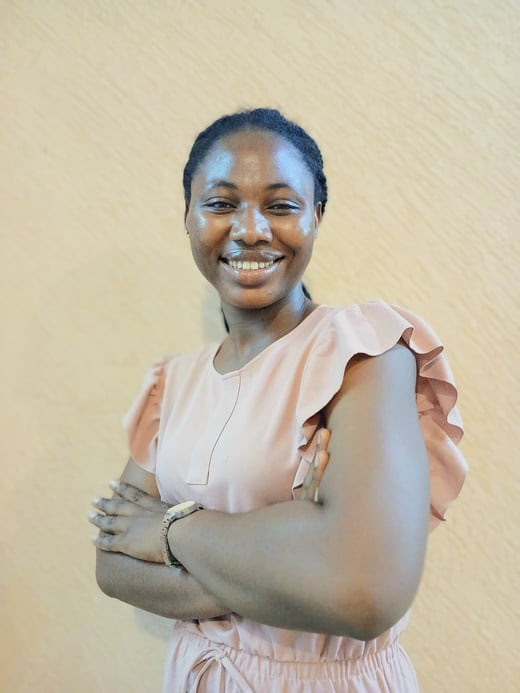
In April, we hosted deep, eye-opening conversations on CSA, mental health, leadership, and healing. One key session was with Dr. Josephine Stiles Darko, a psychiatrist at Korle Bu, who helped us understand the psychology behind child sexual abuse (CSA). Dr. Darko’s insights highlighted Long-Term Impact of CSA: Victims often struggle with depression, anxiety, trust issues, and physical health challenges well into adulthood. Signs to Watch for CSA: Withdrawal, fear of certain adults, regressed behavior, or unusual knowledge about sex—subtle signs that shouldn’t be ignored. Why People Abuse: Perpetrators often have unresolved trauma, distorted views of control and intimacy, or have been groomed by environments that normalize abuse. Victim Profile: Contrary to belief, CSA victims aren’t always “vulnerable” in appearance. Sometimes, victims appear confident or “safe,” but what makes them a target is often fear, accessibility, or silenced environments. This session was a powerful reminder that CSA is not just about the act, it’s about the silence, the psychology, and the systems that allow it to continue. Learner Spotlight: Precious Dzifa Hounglah — A Heart of Gold with a Mind for Impact Precious Hounglah, our Most Engaged Learner of the Month, is a Mastercard Foundation Alumna and a passionate youth leader. In her interview, she shared, “I love to make an impact. I’d rather turn down a higher-paying job to work with an NGO because it brings me fulfillment.” She’s leading a project in Accra, teaching unemployed youth skills like making hair products and soap. Precious is a true changemaker, balancing work, school, and community service while always striving to make a difference. Why This Matters The fight against CSA doesn’t just happen in courtrooms; it begins with honest conversations, education, and people who care enough to act. People like Precious. People like you. This month, you can make a real impact. Spare a snack. Support a girl. Your donation to our Sanitary Pad Campaign helps us reach vulnerable children with dignity, education, and protection. Send your support to 0542670096 (Daniel Richardson Klustse) Let’s break the silence. Heal the pain and protect our children no matter what it takes.